
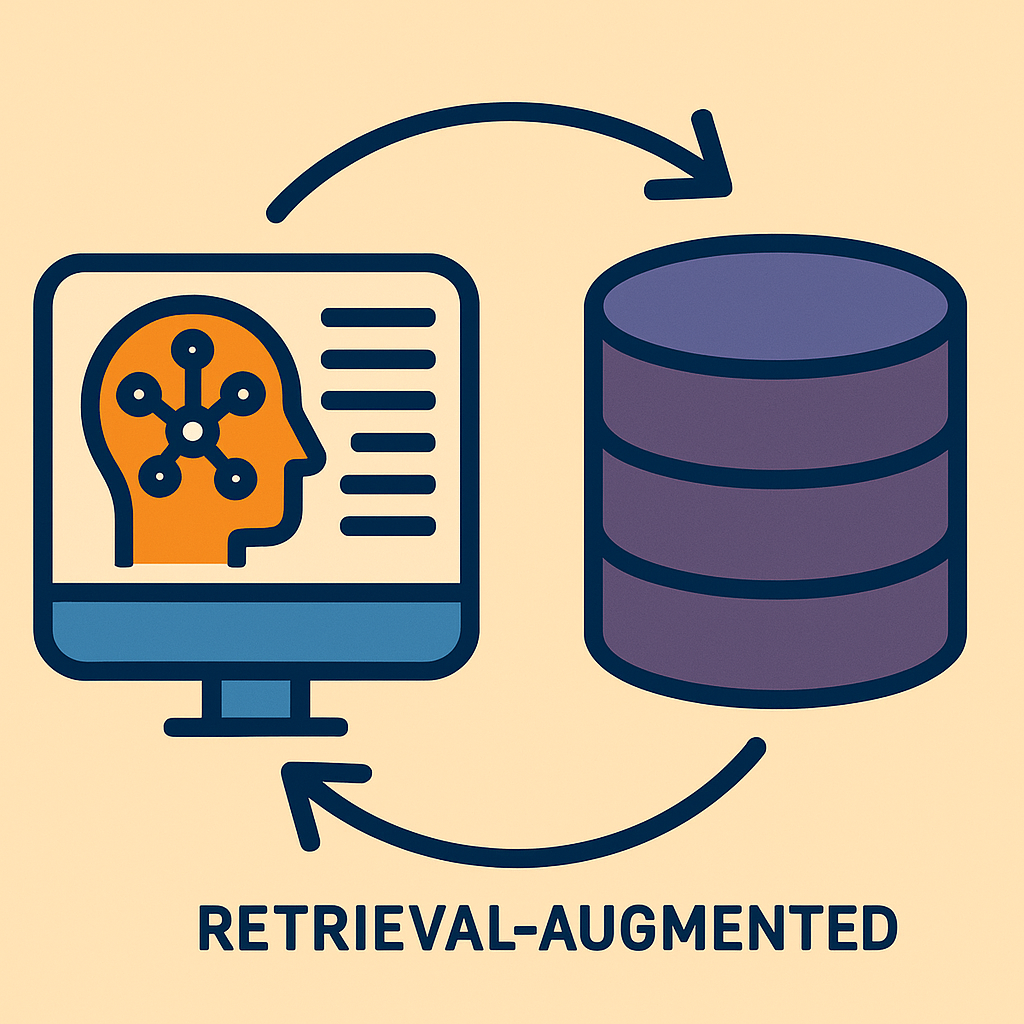
Retrieval-Augmented Generation (RAG) models are making waves in the AI space, but they're not just another buzzword. These models cleverly combine the strengths of retrieval systems with generative AI to create more contextually aware and accurate outputs. So, what's making them so useful in the industry right now?
What Makes RAG Models Different?
Traditional generative models rely solely on their training data. This is great for creativity but often lacks accuracy when it comes to niche or updated information. RAG models, on the other hand, enhance this by retrieving relevant documents from a large corpus before generating the final output. This means they can pull in the most up-to-date or specialized information right at the moment of generation.
Current Industry Applications
The most exciting part of RAG models is how they're being applied across different industries. In customer support, for instance, RAG models can provide more accurate and context-rich answers by pulling in real-time data from a company's knowledge base. This improves both response accuracy and customer satisfaction.
In the realm of content creation, RAG models help writers by suggesting fact-checked data, ensuring that generated content is not only creative but also grounded in reality. This is particularly important in fields like journalism or technical writing, where accuracy is paramount.
Challenges in Deployment
While RAG models sound like a dream come true, deploying them isn't without challenges. They require a robust retrieval system which can handle large and sometimes unstructured datasets. This means organizations need to consider the additional infrastructure and computational resources when thinking about implementation.
Also, the quality of the retrieval system directly affects the output quality of the RAG model. If the retrieval system pulls irrelevant or incorrect data, the generated output could be misleading or wrong.
Should You Use RAG Models?
Considering RAG models for your application depends largely on the need for accuracy and contextual relevance in your outputs. If your application benefits from real-time information and the ability to adapt to new data quickly, then RAG is worth exploring.
However, if your application can function well with static data or doesn't require deep contextual understanding, the additional complexity might not be justified.
In essence, RAG models are a powerful tool in the AI toolkit, offering a blend of creativity and precision. As with any technology, understanding when and how to use them is key to unlocking their potential.






Comments (0)
No comments yet. Be the first to leave a comment!
Verify Your Comment
We sent a 6-digit OTP code to . Please enter the code below to publish your comment.